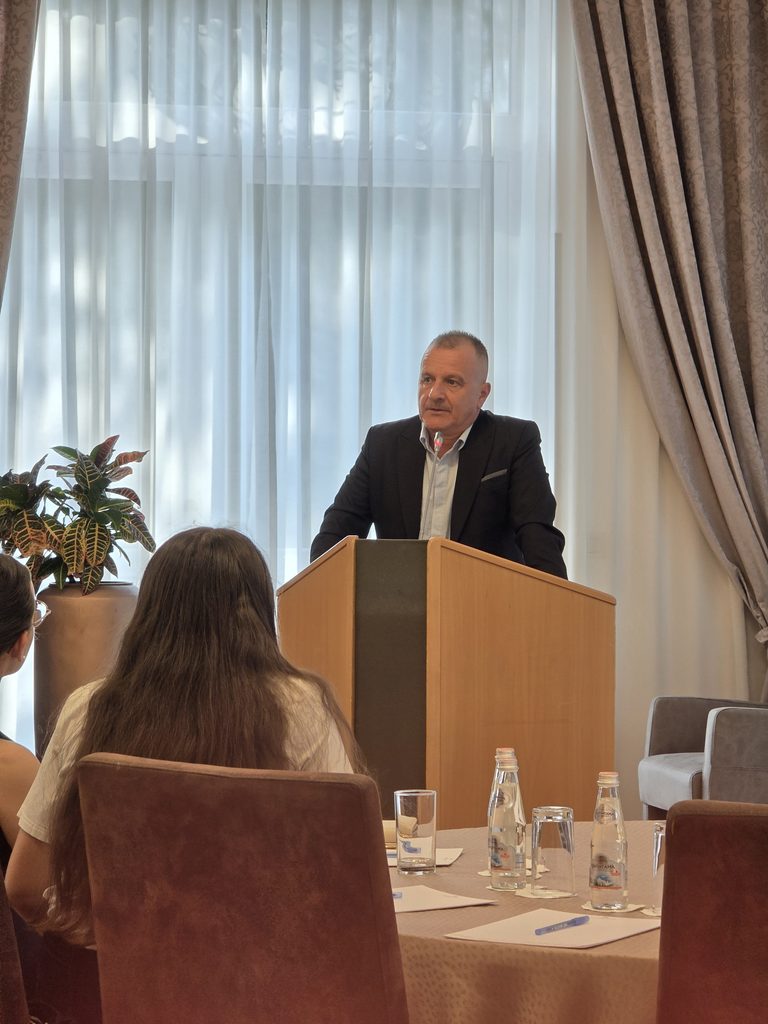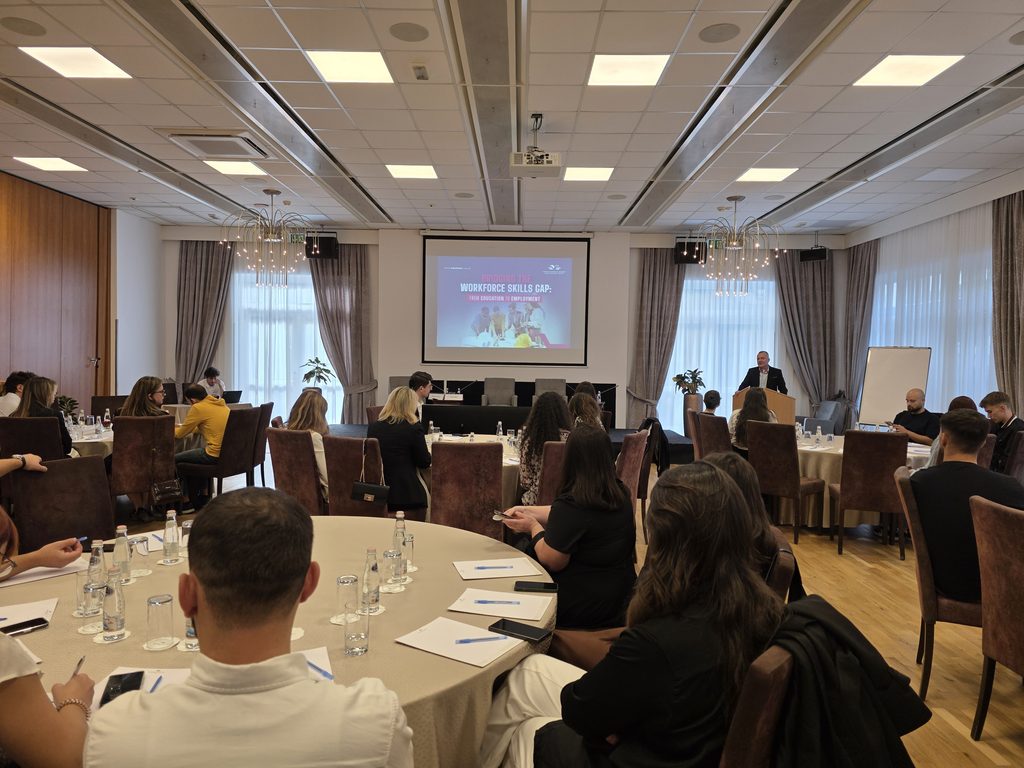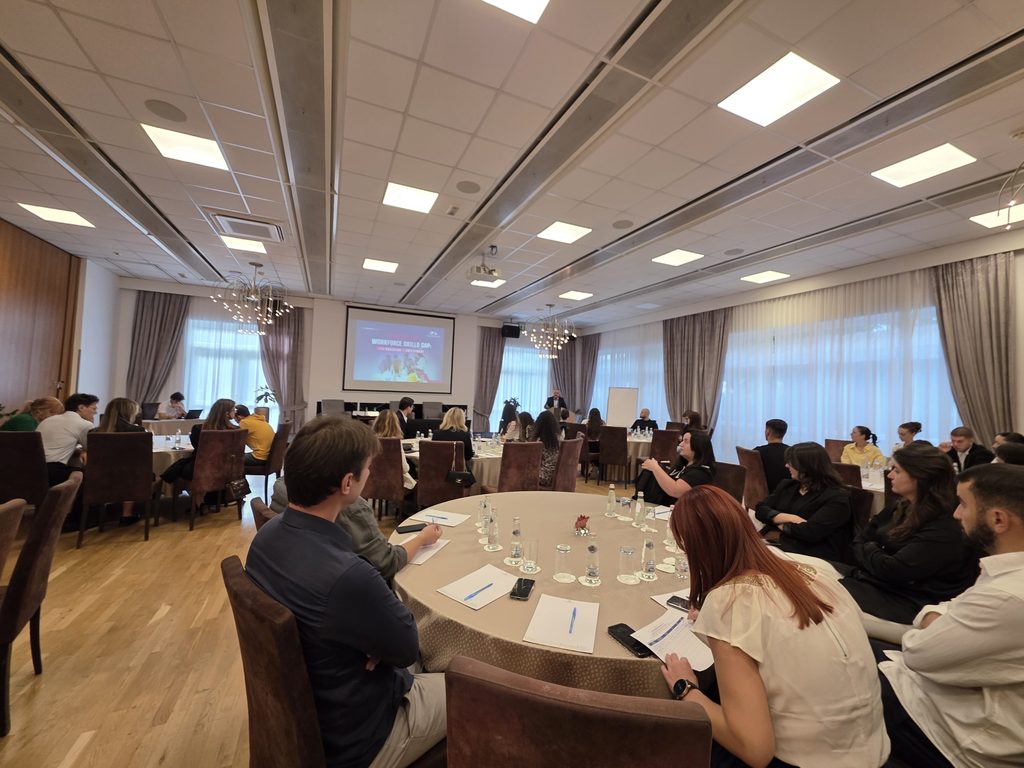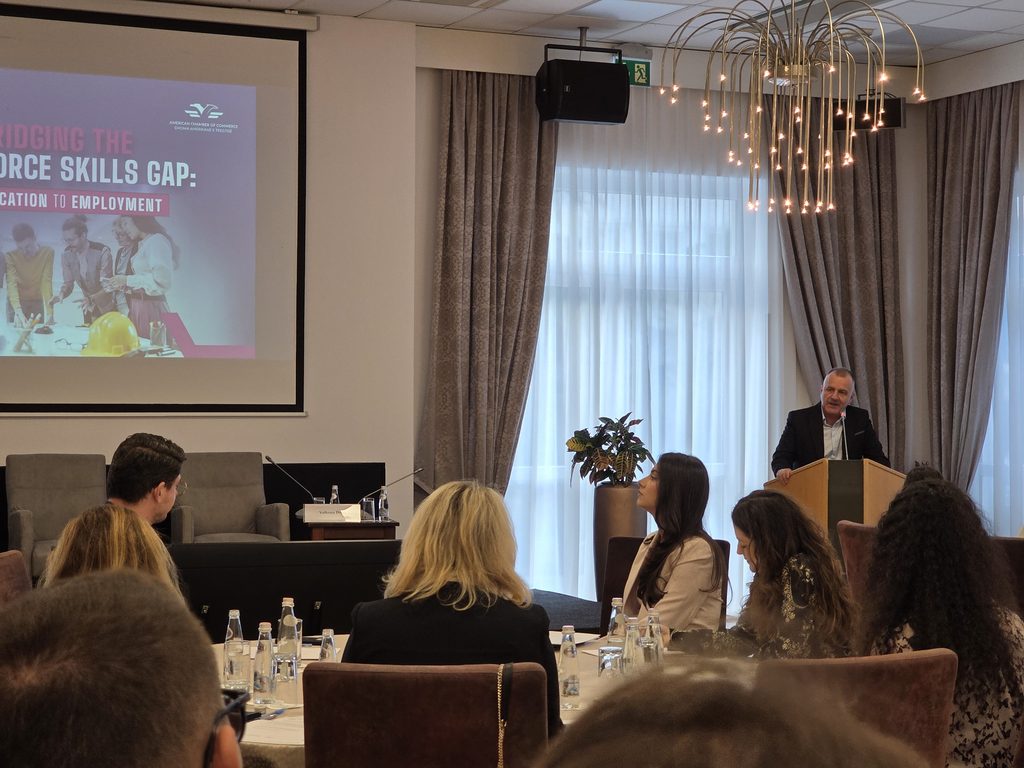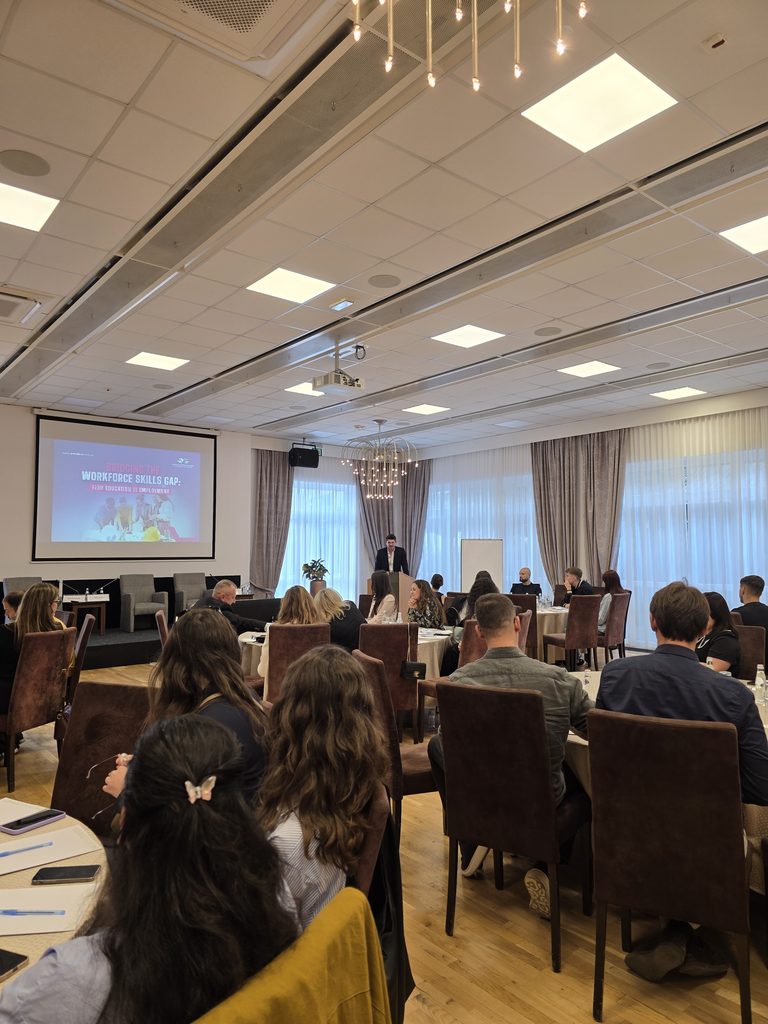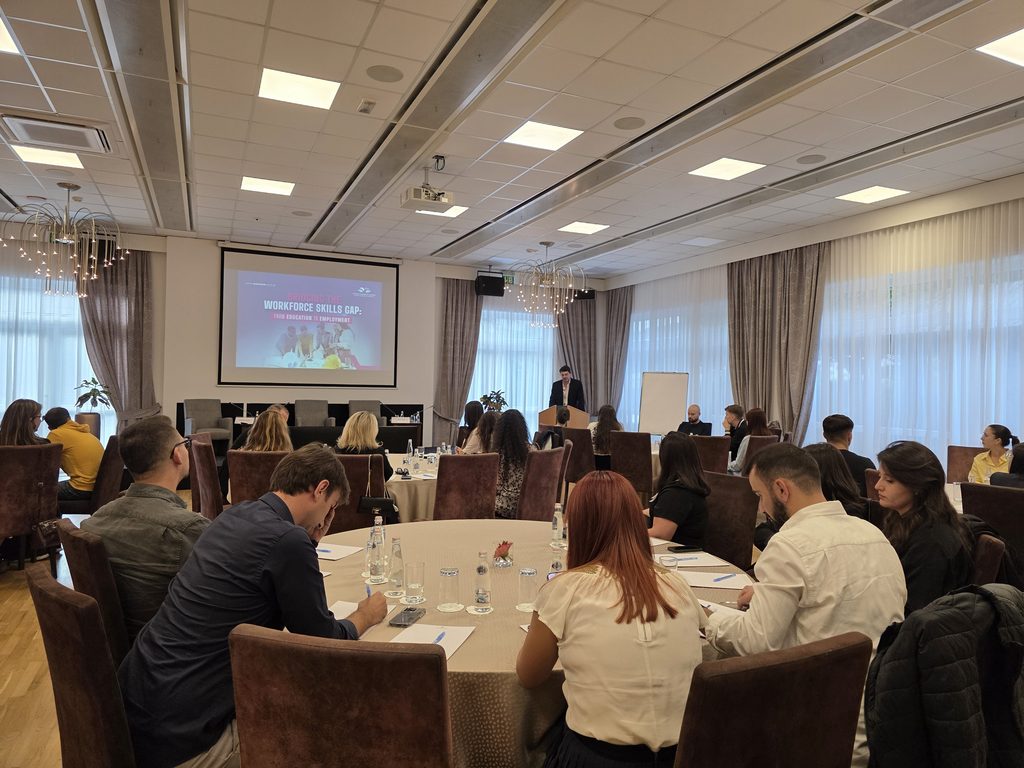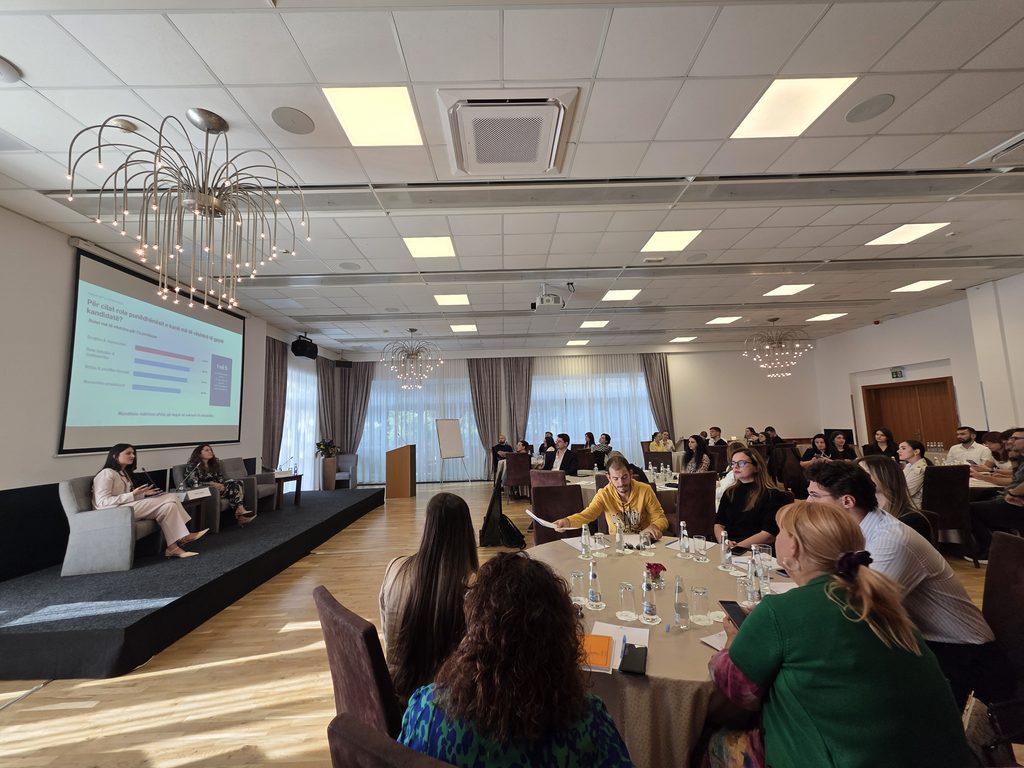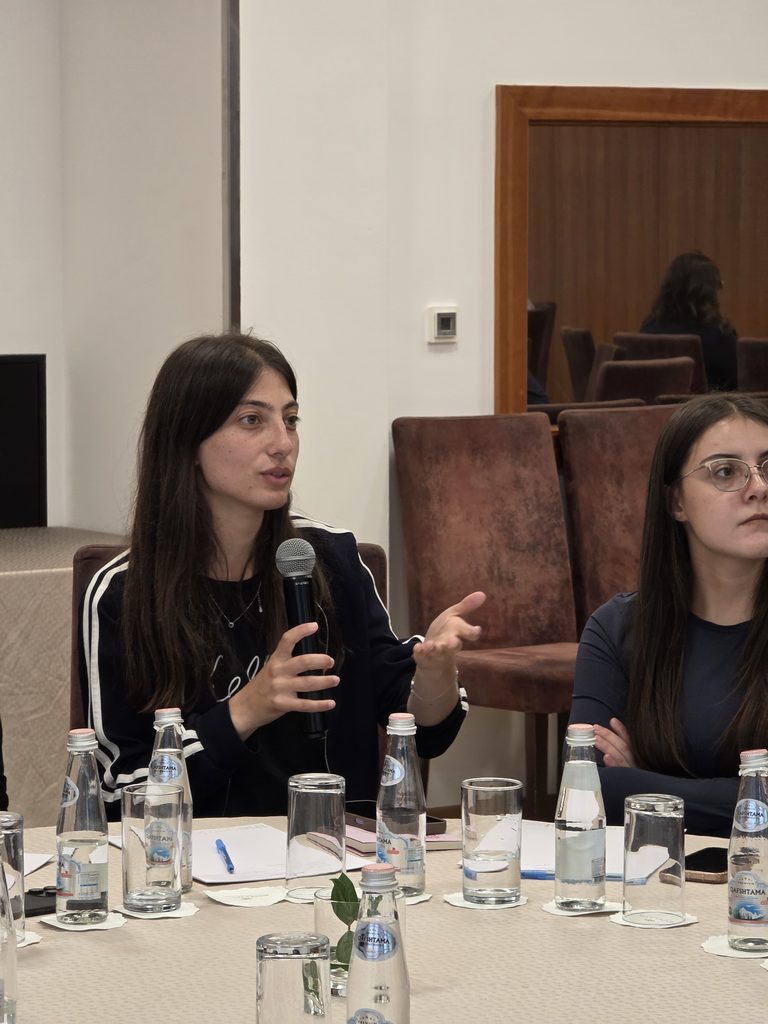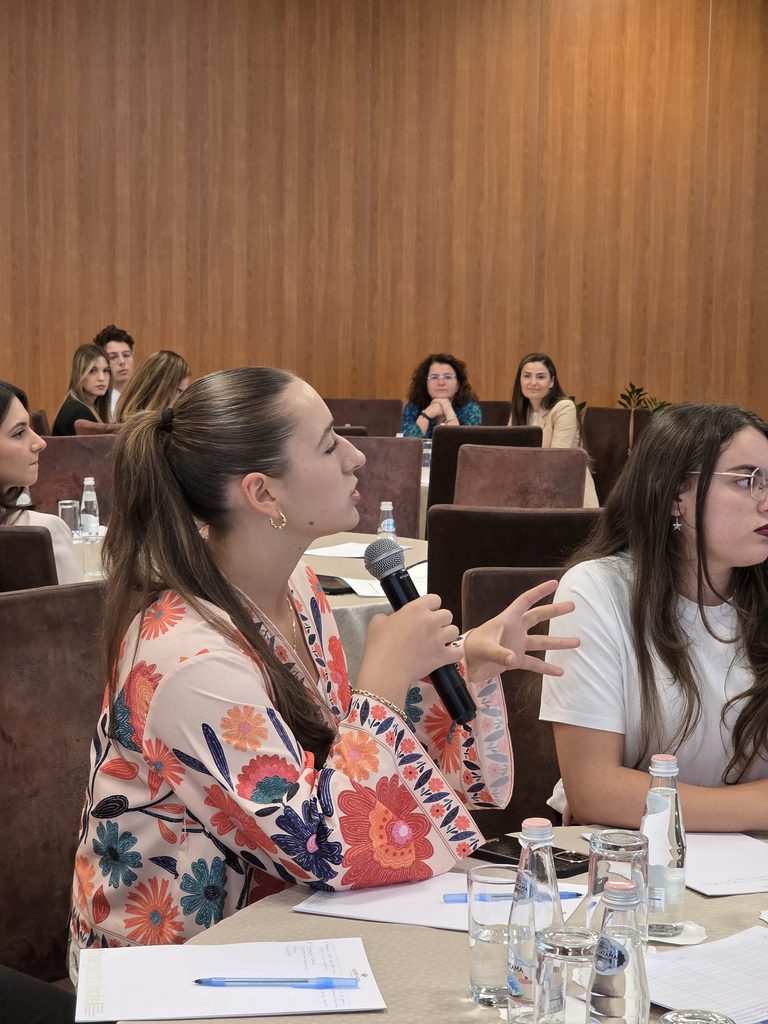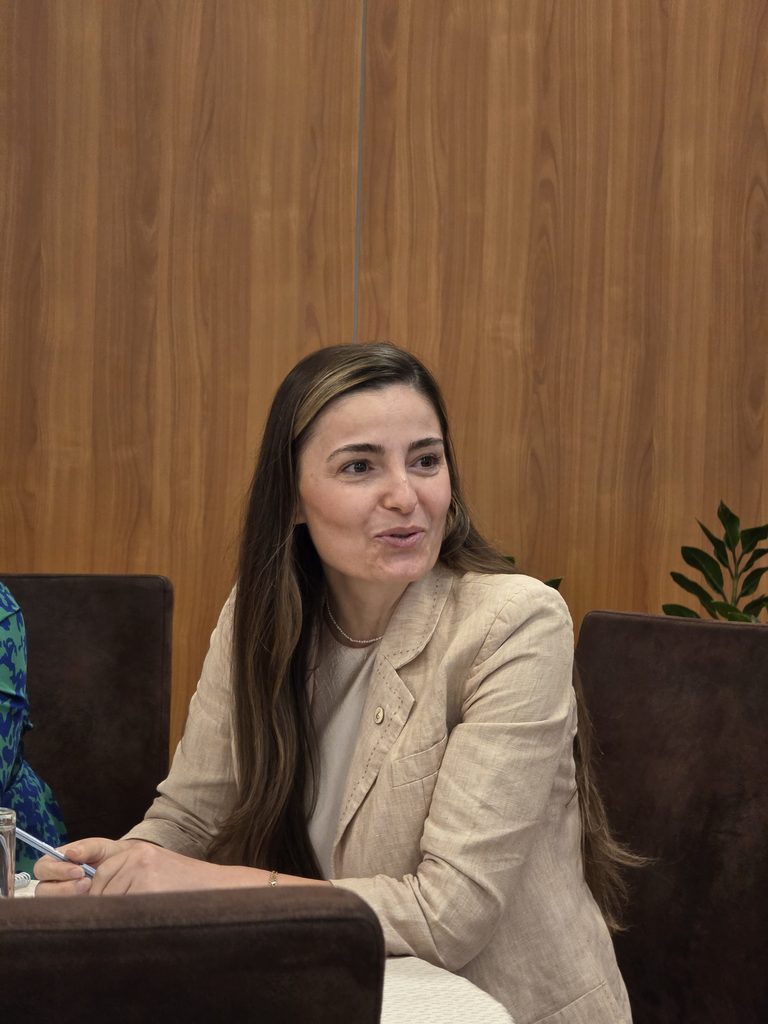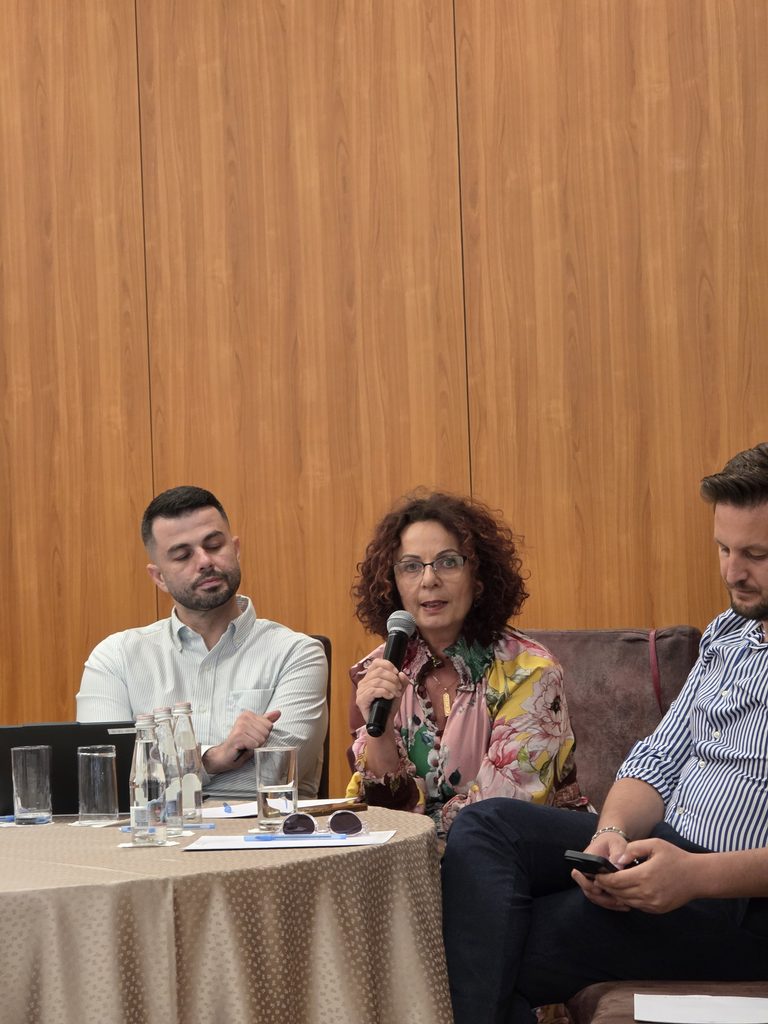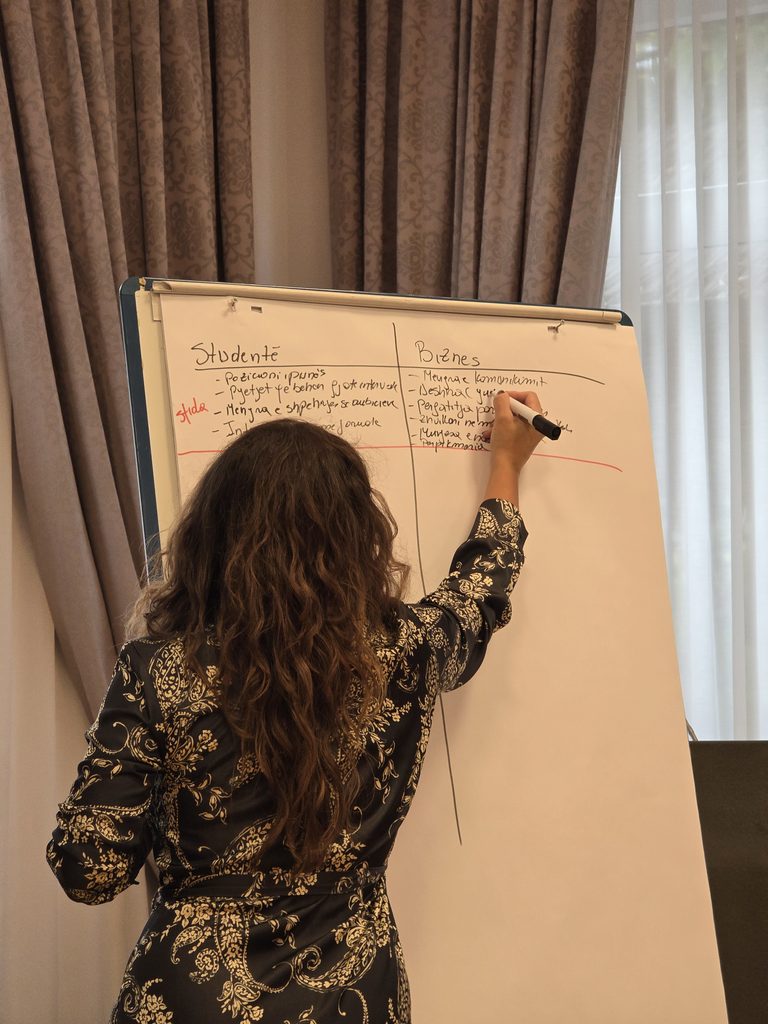

AmCham Albania brought together employers, employees, and young professionals to foster the development of an active network that promotes dialogue among key stakeholders and contributes to shaping the future of the workforce.
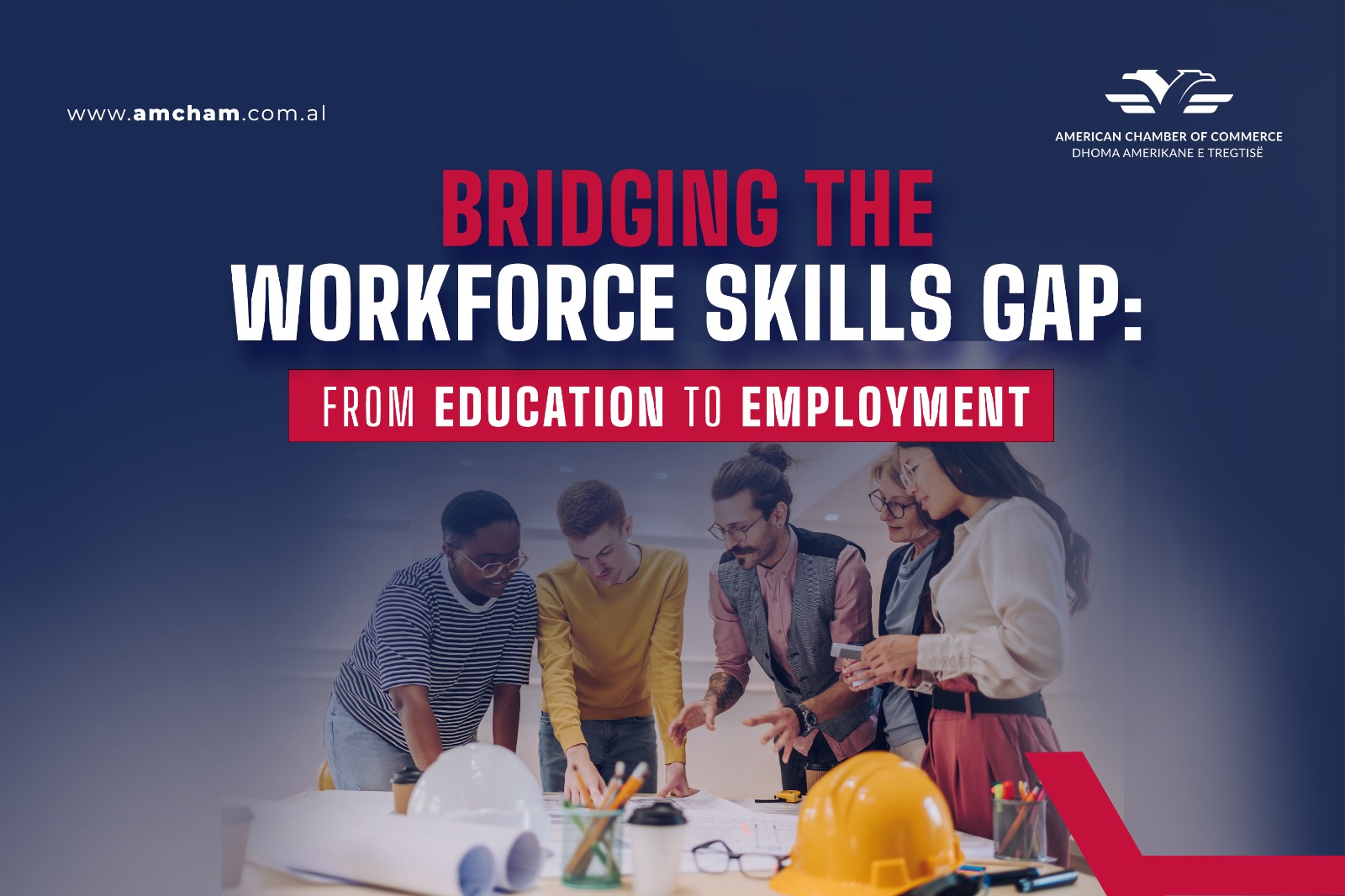
The event was organised as part of the activities of the Youth, Entrepreneurship and Innovation Committee and focused on the skills gap in the labour market resulting from the shortage of skills required by employers. The discussion was informed by the key findings of the Labour Market Skills Survey, conducted among 65 AmCham member companies.
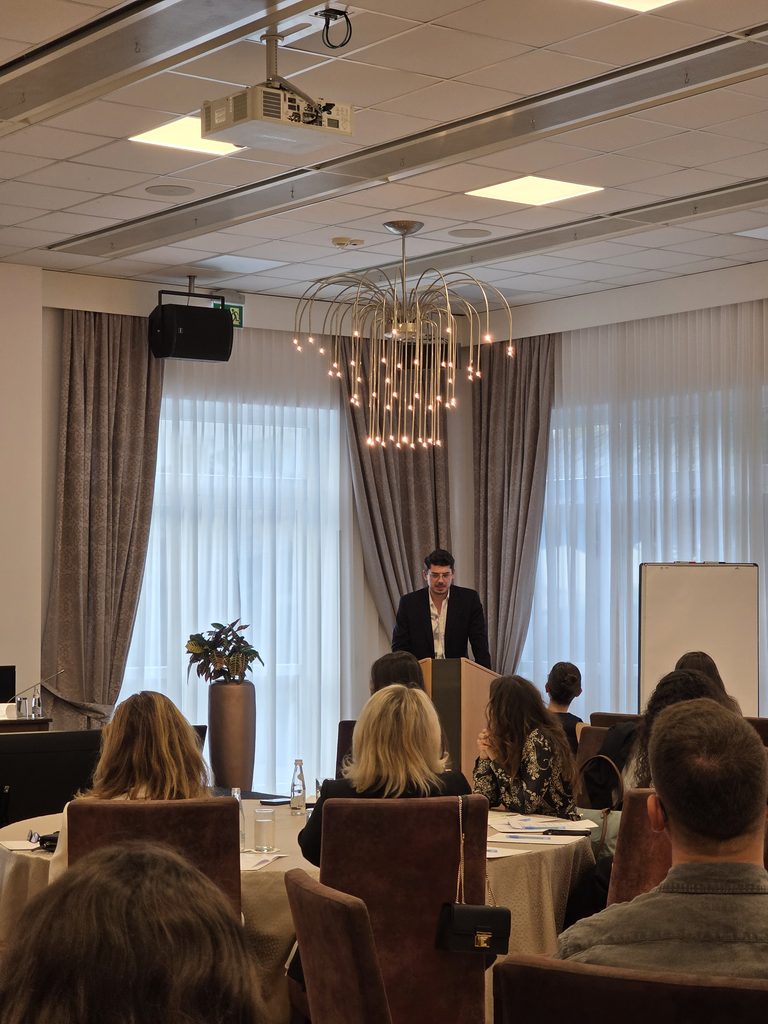
“The Youth Committee” is giving voice to one of AmCham’s key objectives: building an effective network between the business community and higher education institutions in order to address the knowledge and skills gap in the labour market, which directly impacts business activity,” said Mr. Neritan Mullaj, Executive Director of the American Chamber of Commerce, in his welcoming remarks.
The Chairman of the Youth, Entrepreneurship and Innovation Committee, Mr. Klint Berdica, delivered a clear message regarding the work being undertaken by the Committee’s experts to help young people develop the skills currently required by the labour market, while also preparing them for significant technological changes that are reshaping professions and the future of work.
Presenting the survey findings and the messages they convey, Ms. Pranvera Guxho, Vice Chair of the Committee, steered the discussion towards how the two key labour market stakeholders—employees and employers—perceive the current situation and their expectations for improving it.
Ms. Guxho shared insights based on her experience both as an employee and an employer, highlighting the growing need to incorporate labour market requirements into the design of vocational education programmes. According to her, such an approach would help equip young people with the skills and competencies necessary to meet the evolving demands of the labour market.
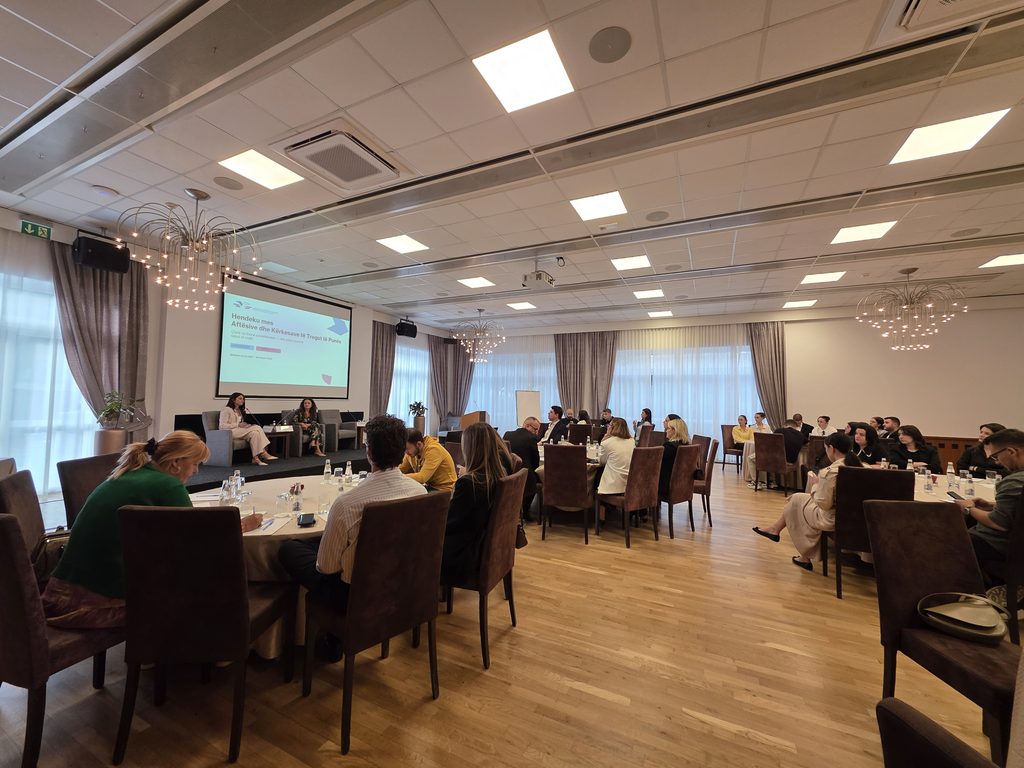
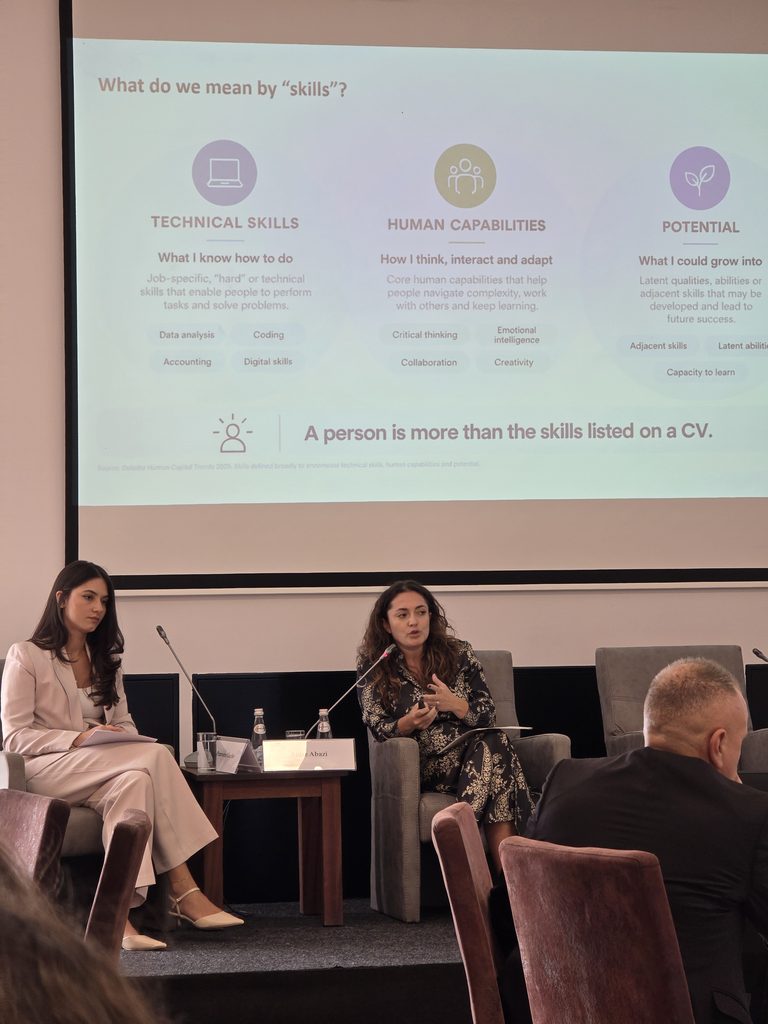
Anise Abazi, Learning and Development Manager at Deloitte Albania, participated in an engaging discussion on how skills requirements are changing in the labour market. Beyond technical skills, technological developments are making knowledge of artificial intelligence increasingly important, alongside essential human skills such as communication, critical thinking, and problem-solving.
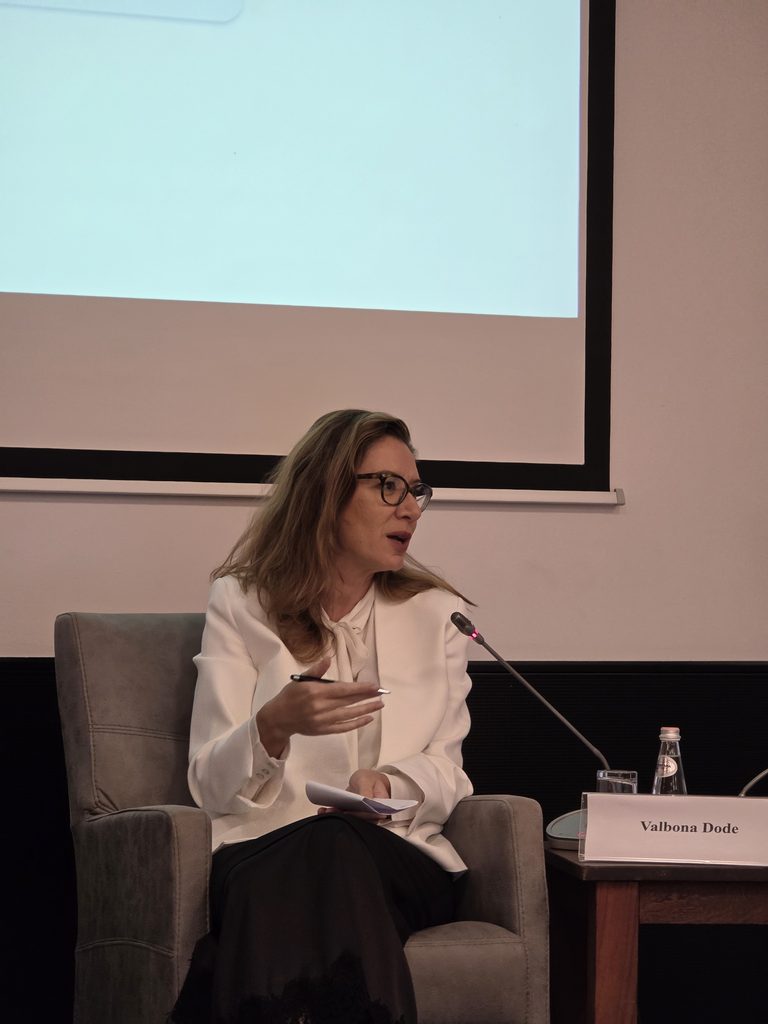
Ms. Valbona Dode, Chair of the Labour and Ethics Committee, offered practical insights into how young people can make better use of the training and professional development opportunities available in the market by following the appropriate communication channels and official sources of information.
The discussion highlighted that closer cooperation between businesses and educational institutions can play an important role in preparing graduates with the qualifications and skills required by the labour market. Such collaboration will be an important factor in shaping the future of the workforce.
Key Findings of the Survey
56.4% of employers consider recent graduates unprepared for employment.
Only 8% believe that graduates are mostly or fully prepared for the workplace.
The main recruitment challenge is a lack of professional attitude and work readiness (56.9%).
Other significant gaps include salary expectations (55.4%), technical skills (50.8%), and critical thinking/problem-solving skills (47.7%).
Leadership and managerial positions are among the most difficult positions to fill (40%).
More than 70% of organisations experience some level of employee turnover related to emigration.
77.5% of respondents report little or no meaningful cooperation between universities and industry.