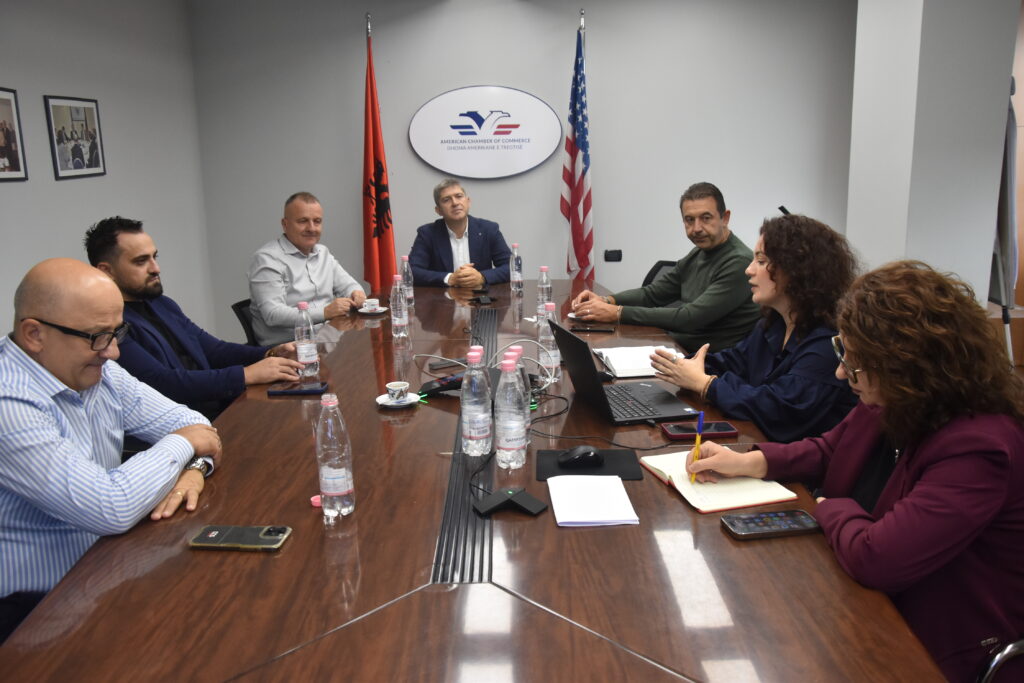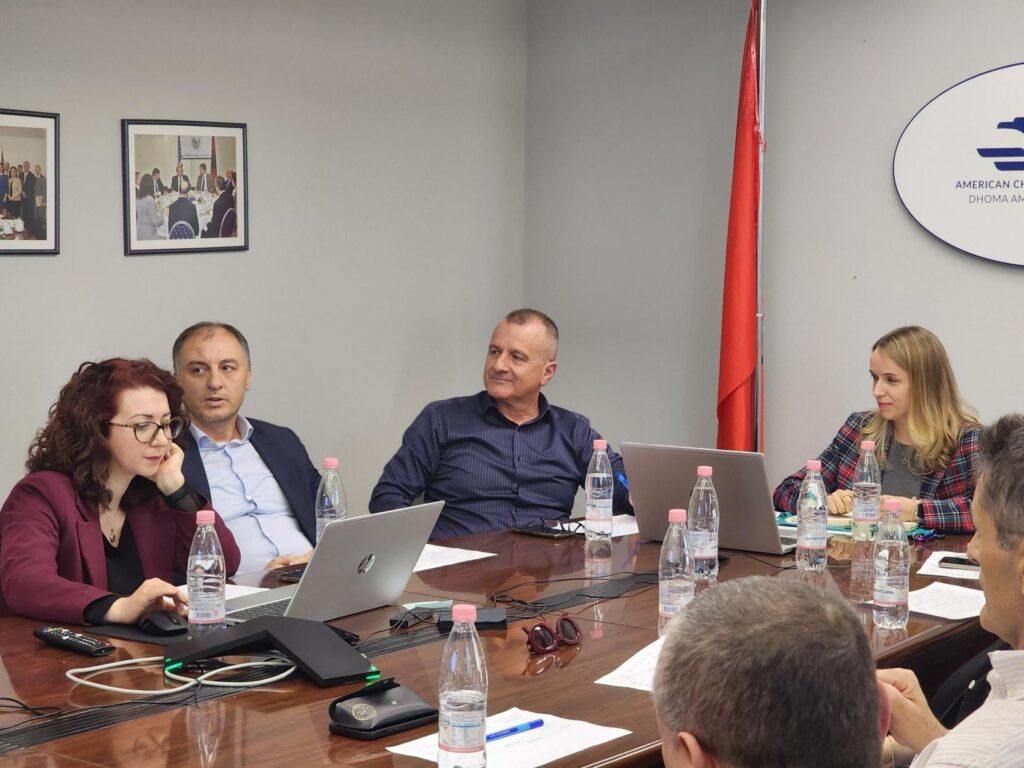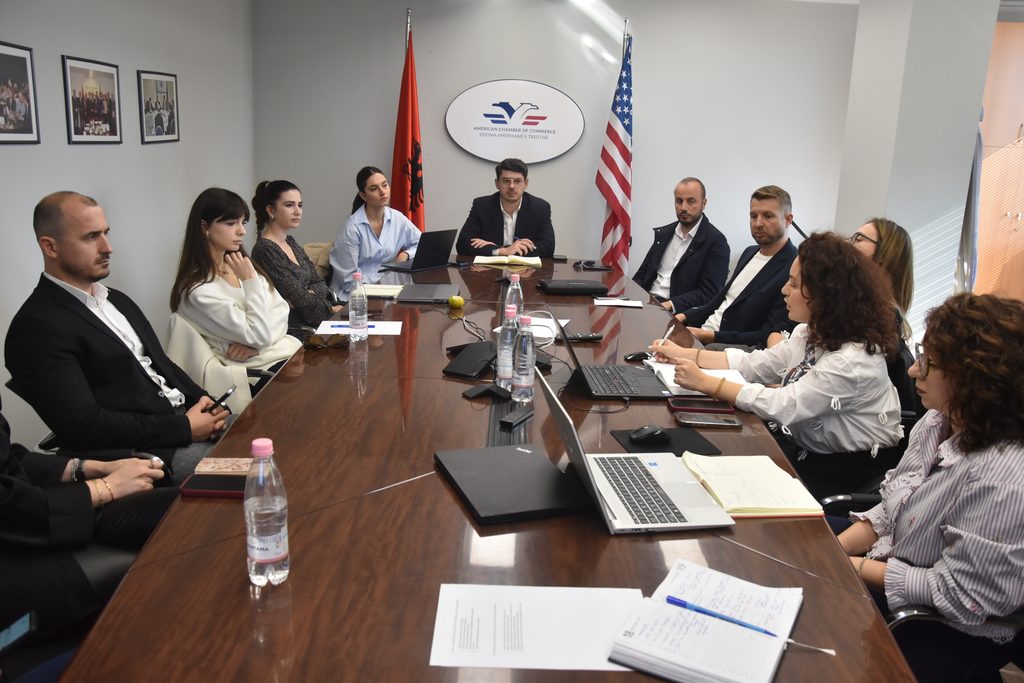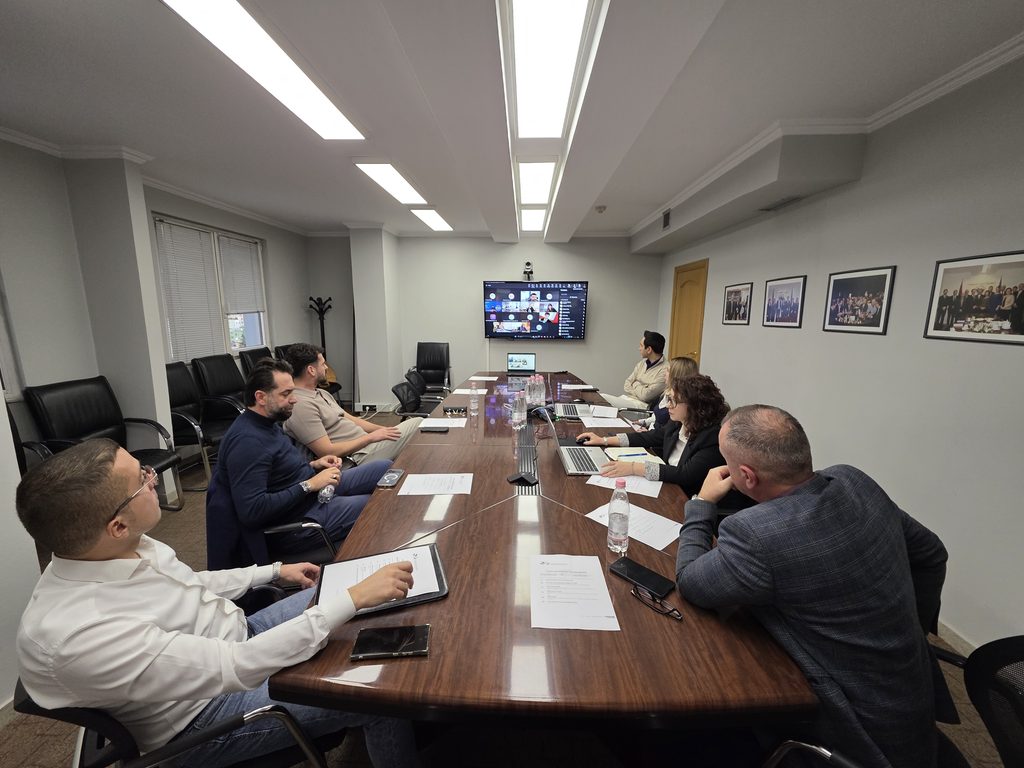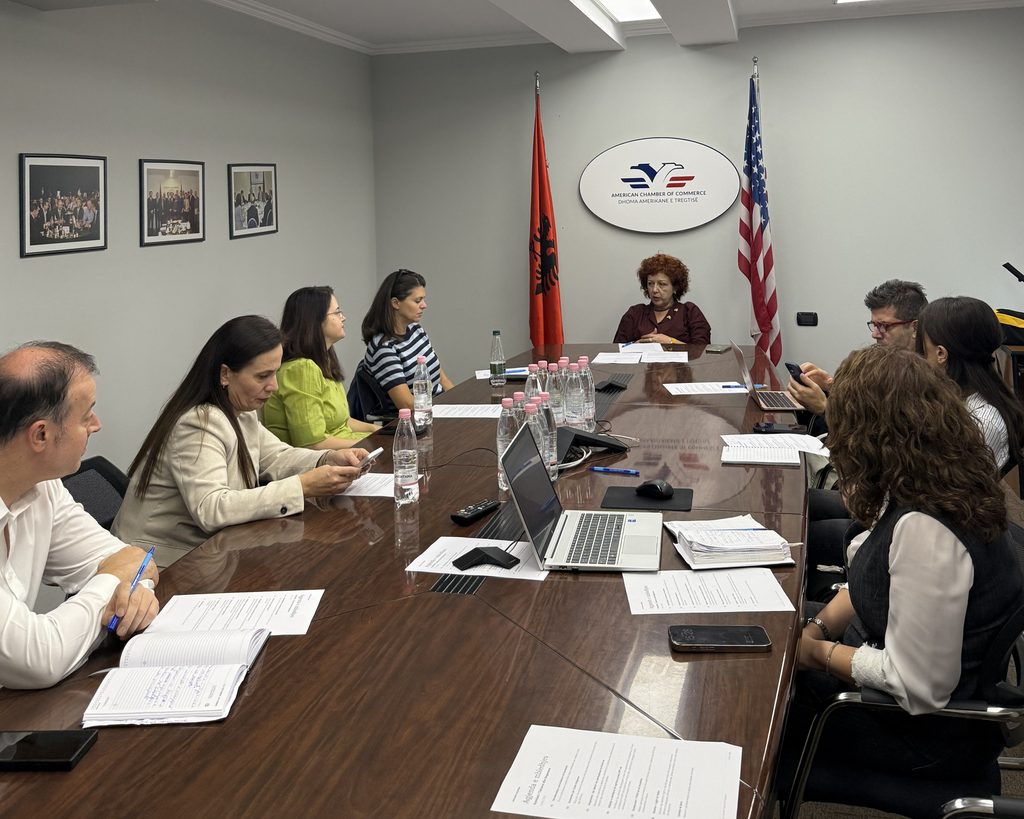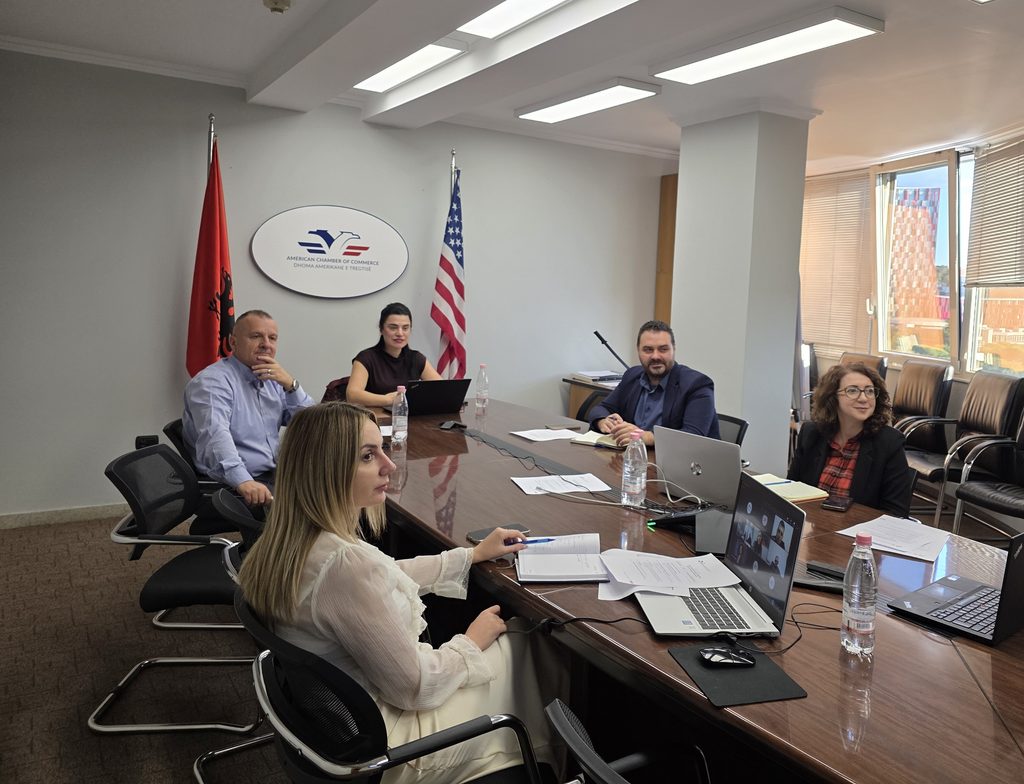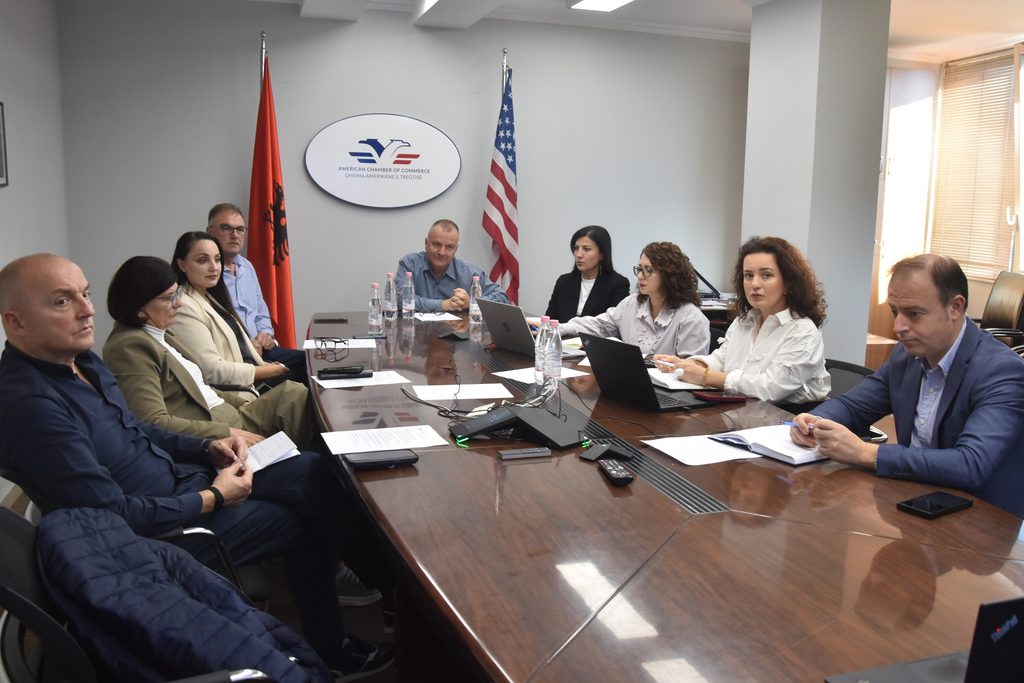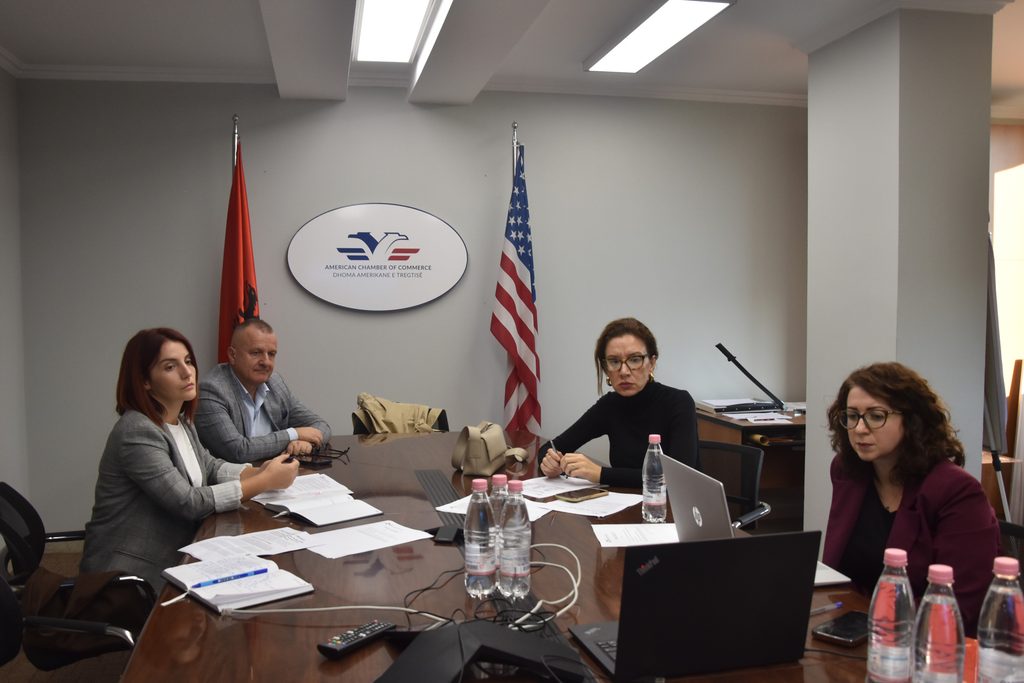


As the year draws to a close, the eight Committees of the American Chamber of Commerce convened to review their work throughout the year, assessing the progress of their annual programmes, activities, and key issues addressed across the three core pillars of AmCham’s work: advocacy, training, and networking.
These meetings provided an opportunity to reflect on the Committees’ contributions to the organization’s activities, the results achieved, the challenges encountered, and the issues that will require continued engagement and attention in the year ahead. While the end-of-year meetings mark the conclusion of one cycle, they also represent an important opportunity to identify the ideas, topics, and priorities that will guide the Committees’ work throughout 2027.
Particular attention was given to the role of the Committees in representing members’ interests and addressing issues that directly affect the country’s business climate. Through dialogue with public institutions, concrete recommendations, information-sharing activities, and the exchange of expertise, the Committees have continued to serve as an important platform for identifying challenges and promoting solutions within the sectors they represent.
The Tax Committee, one of AmCham’s most active committees, has continued to focus on fiscal policies, tax legislation, and providing input on the 2027 Fiscal Package. Meanwhile, the Legal Committee has addressed key issues related to the regulatory framework, including the Foreign Investment Screening Mechanism and the Law on Investments.
Labour market developments, professional skills development, and preparing the workforce for sectors with strong growth potential have been among the key areas of focus for the Labour Committee. At the same time, the Digital Business Committee has followed developments related to artificial intelligence legislation, technological transformation, and the legal framework supporting the digital economy.
At the sectoral level, the Tourism Committee consolidated key issues related to the sustainable development and enhanced competitiveness of the sector into a comprehensive White Paper, which was submitted to the Ministry of Tourism. The Healthcare Committee has also maintained an active agenda, drawing on the expertise of its members to develop important recommendations concerning legislation on the pricing methodology for medicines, the Law on Medical Devices, and increased funding for the healthcare sector.
The Investment Committee has been particularly active in organizing one of the year’s major events, the Business Mission to Washington, while continuing its work on providing input on the new Law on Investments. Meanwhile, the members of the Youth and Innovation Committee have maintained a strong level of engagement throughout the year. Through their activities, they have brought university students, employers, and public institutions together to discuss young people’s skills and their preparedness for entering the labour market.
Building on this review, the Committees have also initiated preliminary discussions on next year’s programmes, identifying emerging topics, priority issues, and opportunities for collaboration. This process will serve as the foundation for developing action plans and activity calendars for 2027.